








- A family living in northern Iran 7,000 years ago used what may be one of the world's earliest known wine cellars. Archaeologist Mary Voigt discovered half a dozen 2½-gallon pottery jugs containing wine residue; they were "embedded in the earthen floor along one wall of a 'kitchen' of a Neolithic mudbrick building."
- "Romans would store their wine in the conveniently located catacombs," according to Wine Cave History. France's first wine caves were abandoned crayeres, from which Roman builders had excavated limestone blocks. "From these early discoveries, it was only a short step to dig caves for the specific purpose of storing and aging wines," the article continues. "Caves were dug throughout Europe."
- Wine makers in the New World brought Old World knowledge. For example, Brotherhood Winery, America's oldest winery, was founded by European immigrant John Jaques. The Washingtonville, New York, facility has been in continuous operation since 1839, staying open during Prohibition to produce sacramental wines for churches. It still uses underground cellars dating to the mid-1800s.
- Especially in modern times, California vintners lean more to aging their wines in caves rather than cellars. A few wine caves, notably those of the Schramberg and Beringer Wineries, were hand-dug in the late 1800s by Chinese laborers who had honed their pick-and-shovel skills building the transcontinental railroad. In 1919, Prohibition put an end to wine cave construction. In 1934, following Prohibition's repeal, Beringer Vineyards welcomed the public into its facilities for the country's first wine cave tours.
- Beginning around 1970, increased demand and improved excavation techniques sparked a new wave of wine cave construction in California, which produces more than 90 percent of US wine. By 2003, about 115 of the man-made caverns have been built in Napa and Sonoma Counties. They range in size from a few thousand square feet to around 50,000. The caves are used primarily for aging wines, but some wineries press them into service for public relations purposes by conducting tours. Some use portions of the tunnel-shaped caves as dining rooms; others have built more spacious underground rooms specifically for special events like concerts, weddings, and corporate seminars. At least three (Jarvis Winery in Napa, White Rock Vineyards in Napa, and Staglin Family Vineyard in Rutherford) operate their entire wine production cycle underground.


Home















Building Caves: Wine Not?



Storing wine underground has been a good idea for thousands of years. A few historical highlights illustrate the long-standing tradition:

Storing wine underground has been a good idea for thousands of years. A few historical highlights illustrate the long-standing tradition:
- A family living in northern Iran 7,000 years ago used what may be one of the world's earliest known wine cellars. Archaeologist Mary Voigt discovered half a dozen 2½-gallon pottery jugs containing wine residue; they were "embedded in the earthen floor along one wall of a 'kitchen' of a Neolithic mudbrick building."




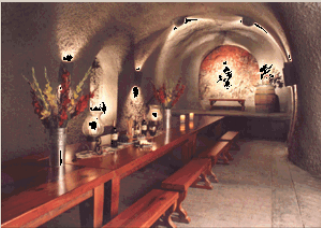
Photo courtesy of Kunde Estate Winery

- "Romans would store their wine in the conveniently located catacombs," according to Wine Cave History. France's first wine caves were abandoned crayeres, from which Roman builders had excavated limestone blocks. "From these early discoveries, it was only a short step to dig caves for the specific purpose of storing and aging wines," the article continues. "Caves were dug throughout Europe."
- Wine makers in the New World brought Old World knowledge. For example, Brotherhood Winery, America's oldest winery, was founded by European immigrant John Jaques. The Washingtonville, New York, facility has been in continuous operation since 1839, staying open during Prohibition to produce sacramental wines for churches. It still uses underground cellars dating to the mid-1800s.
- Especially in modern times, California vintners lean more to aging their wines in caves rather than cellars. A few wine caves, notably those of the Schramberg and Beringer Wineries, were hand-dug in the late 1800s by Chinese laborers who had honed their pick-and-shovel skills building the transcontinental railroad. In 1919, Prohibition put an end to wine cave construction. In 1934, following Prohibition's repeal, Beringer Vineyards welcomed the public into its facilities for the country's first wine cave tours.
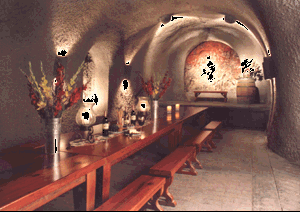
- Beginning around 1970, increased demand and improved excavation techniques sparked a new wave of wine cave construction in California, which produces more than 90 percent of US wine. By 2003, about 115 of the man-made caverns have been built in Napa and Sonoma Counties. They range in size from a few thousand square feet to around 50,000. The caves are used primarily for aging wines, but some wineries press them into service for public relations purposes by conducting tours. Some use portions of the tunnel-shaped caves as dining rooms; others have built more spacious underground rooms specifically for special events like concerts, weddings, and corporate seminars. At least three (Jarvis Winery in Napa, White Rock Vineyards in Napa, and Staglin Family Vineyard in Rutherford) operate their entire wine production cycle underground.


How Are They Built?
Particularly in California's wine country, where the geology consists largely of volcanic rock, modern wine caves are usually dug with roadheaders. Consisting of a rotating array of cutting bits, these machines grind away the earth at rates ranging from 2 feet to 15 feet per day, depending on the site's specific makeup. Typically 13 feet in diameter, the tunnels are laid out in various configurations such as rectangular grids or wheel spokes. The inner surfaces of the caverns are usually covered with sprayed-on concrete for waterproofing and structural stability. Visit Wine Caves of the Wine Country's Wine Cave Construction page for an informative, illustrated description of the entire process.
Where harder rock obstructions are encountered, drilling and blasting remains an option for excavating wine caves. Another technique that can be used to remove embedded boulders is to drill holes in them and fill the holes with a chemical compound that expands and fractures the rock.
In softer soils, especially those that easily cave in around an excavation, cut-and-cover construction is the preferred method. A large hole is dug out of the ground, a concrete structure is built in the hole, and soil is replaced over the area. This technique is proving popular in Oregon and Washington, where the soil is much softer and wetter than in California's wine basins.
Why Are They Built?
Subterranean facilities naturally provide ideal conditions for aging wine: consistently cool temperature, constantly high humidity, low levels of light, and no vibration. Rarely do they cost as much or more to construct than a comparable above-ground structure. Furthermore, the lack of need for artificial heating or cooling saves substantially on energy costs. Placing storage spaces underground leaves valuable surface space free to be used as vineyards that are both productive and scenic. Noise-whether generated by construction activity or parties held in caves' special events rooms-is contained, leaving pastoral scenes undisturbed.
Some of the following wine caves are accessible only by reservation or on a limited schedule for special events. Before visiting, contact each facility by e-mail or telephone for details.
This list is not exhaustive. If you know of a publicly accessible wine cave that should be added, please send details.
California
Alexander Valley Vineyards, Healdsburg
B Wise Vineyards, Sonoma
Bella Vineyards, Healdsburg
Benziger Family Winery, Glen Ellen
Beringer Vineyards, St. Helena
Clos Pegase Winery, Calistoga
Cottonwood Canyon Winery, Santa Maria
Cuvaison Winery, Calistoga
Deerfield Ranch Winery, Kenwood
Del Dotto Vineyards, St. Helena
Eberle Winery, Paso Robles
Favero Vineyards, Sonoma
Folie A Deux, St. Helena
Gloria Ferrer Champagne Caves, Sonoma
Hans Fahden Vineyards, Calistoga
Paoletti Vineyards, Calistoga
Ironstone Vineyards, Murphys
Jarvis Vineyards, Napa
Kunde Estate Winery, Kenwood
Palmaz Vineyards, Napa
Pine Ridge Winery, Napa
Robert Sinskey Vineyards, Napa
Rutherford Hill Winery, Rutherford
St. Supery Winery, Rutherford
Schramsberg Winery, Calistoga
Shafer Vineyards, Napa
Staglin Winery, Rutherford
Stags' Leap Winery, Napa
Steltzner Vineyards, Napa
Storybook Mountain Vineyards, Calistoga
Sunstone Winery, Santa Ynez
Truchard Vineyards, Napa
V. Sattui Winery, St. Helena
Vine Cliff Winery, Napa
Vineyard 29, St. Helena
Florida
Perley Place, Jacksonville
Missouri
Stone Hill Winery, Hermann
New York
Brotherhood Winery, Washingtonville
Ohio
Heineman's Winery and Crystal Cave, Put-In-Bay
Oregon
Archery Summit, Dayton
Virginia
Valhalla Vineyards, Roanoke
Washington
Karma Vineyards, Chelan
Particularly in California's wine country, where the geology consists largely of volcanic rock, modern wine caves are usually dug with roadheaders. Consisting of a rotating array of cutting bits, these machines grind away the earth at rates ranging from 2 feet to 15 feet per day, depending on the site's specific makeup. Typically 13 feet in diameter, the tunnels are laid out in various configurations such as rectangular grids or wheel spokes. The inner surfaces of the caverns are usually covered with sprayed-on concrete for waterproofing and structural stability. Visit Wine Caves of the Wine Country's Wine Cave Construction page for an informative, illustrated description of the entire process.
Where harder rock obstructions are encountered, drilling and blasting remains an option for excavating wine caves. Another technique that can be used to remove embedded boulders is to drill holes in them and fill the holes with a chemical compound that expands and fractures the rock.
In softer soils, especially those that easily cave in around an excavation, cut-and-cover construction is the preferred method. A large hole is dug out of the ground, a concrete structure is built in the hole, and soil is replaced over the area. This technique is proving popular in Oregon and Washington, where the soil is much softer and wetter than in California's wine basins.
Why Are They Built?
Subterranean facilities naturally provide ideal conditions for aging wine: consistently cool temperature, constantly high humidity, low levels of light, and no vibration. Rarely do they cost as much or more to construct than a comparable above-ground structure. Furthermore, the lack of need for artificial heating or cooling saves substantially on energy costs. Placing storage spaces underground leaves valuable surface space free to be used as vineyards that are both productive and scenic. Noise-whether generated by construction activity or parties held in caves' special events rooms-is contained, leaving pastoral scenes undisturbed.
US Wine Caves
Accessible for Tours/Tastings/Special Events
Wine cellars are widely used for special events and dining, at restaurants as well as wineries. The distinction between wine cellars and man-made caves is not clear. In some cases, the difference may be merely semantic. On the other hand, some wine "cellars" are actually above-ground, climate-controlled warehouses. This list is restricted to caves, with one exception: New York's Brotherhood Winery claims to have the largest underground wine cellars in America.Accessible for Tours/Tastings/Special Events
Some of the following wine caves are accessible only by reservation or on a limited schedule for special events. Before visiting, contact each facility by e-mail or telephone for details.
This list is not exhaustive. If you know of a publicly accessible wine cave that should be added, please send details.
California
Alexander Valley Vineyards, Healdsburg
B Wise Vineyards, Sonoma
Bella Vineyards, Healdsburg
Benziger Family Winery, Glen Ellen
Beringer Vineyards, St. Helena
Clos Pegase Winery, Calistoga
Cottonwood Canyon Winery, Santa Maria
Cuvaison Winery, Calistoga
Deerfield Ranch Winery, Kenwood
Del Dotto Vineyards, St. Helena
Eberle Winery, Paso Robles
Favero Vineyards, Sonoma
Folie A Deux, St. Helena
Gloria Ferrer Champagne Caves, Sonoma
Hans Fahden Vineyards, Calistoga
Paoletti Vineyards, Calistoga
Ironstone Vineyards, Murphys
Jarvis Vineyards, Napa
Kunde Estate Winery, Kenwood
Palmaz Vineyards, Napa
Pine Ridge Winery, Napa
Robert Sinskey Vineyards, Napa
Rutherford Hill Winery, Rutherford
St. Supery Winery, Rutherford
Schramsberg Winery, Calistoga
Shafer Vineyards, Napa
Staglin Winery, Rutherford
Stags' Leap Winery, Napa
Steltzner Vineyards, Napa
Storybook Mountain Vineyards, Calistoga
Sunstone Winery, Santa Ynez
Truchard Vineyards, Napa
V. Sattui Winery, St. Helena
Vine Cliff Winery, Napa
Vineyard 29, St. Helena
Florida
Perley Place, Jacksonville
Missouri
Stone Hill Winery, Hermann
New York
Brotherhood Winery, Washingtonville
Ohio
Heineman's Winery and Crystal Cave, Put-In-Bay
Oregon
Archery Summit, Dayton
Virginia
Valhalla Vineyards, Roanoke
Washington
Karma Vineyards, Chelan
Unless otherwise attributed, all content is © Loretta Hall, 2000-2024.
Unless otherwise attributed, all SubsurfaceBuildings.com content is © Loretta Hall, 2000-2024
.
.
How Are They Built?
Particularly in California's wine country, where the geology consists largely of volcanic rock, modern wine caves are usually dug with roadheaders. Consisting of a rotating array of cutting bits, these machines grind away the earth at rates ranging from 2 feet to 15 feet per day, depending on the site's specific makeup. Typically 13 feet in diameter, the tunnels are laid out in various configurations such as rectangular grids or wheel spokes. The inner surfaces of the caverns are usually covered with sprayed-on concrete for waterproofing and structural stability. Visit Wine Caves of the Wine Country's Wine Cave Construction page for an informative, illustrated description of the entire process.
Where harder rock obstructions are encountered, drilling and blasting remains an option for excavating wine caves. Another technique that can be used to remove embedded boulders is to drill holes in them and fill the holes with a chemical compound that expands and fractures the rock.
In softer soils, especially those that easily cave in around an excavation, cut-and-cover construction is the preferred method. A large hole is dug out of the ground, a concrete structure is built in the hole, and soil is replaced over the area. This technique is proving popular in Oregon and Washington, where the soil is much softer and wetter than in California's wine basins.
Why Are They Built?
Subterranean facilities naturally provide ideal conditions for aging wine: consistently cool temperature, constantly high humidity, low levels of light, and no vibration. Rarely do they cost as much or more to construct than a comparable above-ground structure. Furthermore, the lack of need for artificial heating or cooling saves substantially on energy costs. Placing storage spaces underground leaves valuable surface space free to be used as vineyards that are both productive and scenic. Noise-whether generated by construction activity or parties held in caves' special events rooms-is contained, leaving pastoral scenes undisturbed.
Particularly in California's wine country, where the geology consists largely of volcanic rock, modern wine caves are usually dug with roadheaders. Consisting of a rotating array of cutting bits, these machines grind away the earth at rates ranging from 2 feet to 15 feet per day, depending on the site's specific makeup. Typically 13 feet in diameter, the tunnels are laid out in various configurations such as rectangular grids or wheel spokes. The inner surfaces of the caverns are usually covered with sprayed-on concrete for waterproofing and structural stability. Visit Wine Caves of the Wine Country's Wine Cave Construction page for an informative, illustrated description of the entire process.
Where harder rock obstructions are encountered, drilling and blasting remains an option for excavating wine caves. Another technique that can be used to remove embedded boulders is to drill holes in them and fill the holes with a chemical compound that expands and fractures the rock.
In softer soils, especially those that easily cave in around an excavation, cut-and-cover construction is the preferred method. A large hole is dug out of the ground, a concrete structure is built in the hole, and soil is replaced over the area. This technique is proving popular in Oregon and Washington, where the soil is much softer and wetter than in California's wine basins.
Why Are They Built?
Subterranean facilities naturally provide ideal conditions for aging wine: consistently cool temperature, constantly high humidity, low levels of light, and no vibration. Rarely do they cost as much or more to construct than a comparable above-ground structure. Furthermore, the lack of need for artificial heating or cooling saves substantially on energy costs. Placing storage spaces underground leaves valuable surface space free to be used as vineyards that are both productive and scenic. Noise-whether generated by construction activity or parties held in caves' special events rooms-is contained, leaving pastoral scenes undisturbed.
Accessible for Visits/Tours/Tastings/Special Events
Wine cellars are widely used for special events and dining, at restaurants as well as wineries. The distinction between wine cellars and man-made caves is not clear. In some cases, the difference may be merely semantic. On the other hand, some wine "cellars" are actually above-ground, climate-controlled warehouses. This list is restricted to caves, with one exception: New York's Brotherhood Winery claims to have the largest underground wine cellars in America.Some of the following wine caves are accessible only by reservation or on a limited schedule for special events. Before visiting, contact each facility by e-mail or telephone for details.
This list is not exhaustive. If you know of a publicly accessible wine cave that should be added, please send details.
California
Alexander Valley Vineyards, Healdsburg
B Wise Vineyards, Sonoma
Bella Vineyards, Healdsburg
Benziger Family Winery, Glen Ellen
Beringer Vineyards, St. Helena
Clos Pegase Winery, Calistoga
Cottonwood Canyon Winery, Santa Maria
Cuvaison Winery, Calistoga
Deerfield Ranch Winery, Kenwood
Del Dotto Vineyards, St. Helena
Eberle Winery, Paso Robles
Far Niente Winery, Oakville
Favero Vineyards, Sonoma
Folie A Deux, St. Helena
Gloria Ferrer Champagne Caves, Sonoma
Hans Fahden Vineyards, Calistoga
Paoletti Vineyards, Calistoga
Ironstone Vineyards, Murphys
Jarvis Vineyards, Napa
Kunde Estate Winery, Kenwood
Niebaum-Coppola Estate Winery, Rutherford
Palmaz Vineyards, Napa
Pine Ridge Winery, Napa
Robert Sinskey Vineyards, Napa
Rutherford Hill Winery, Rutherford
St. Supery Winery, Rutherford
Schramsberg Winery, Calistoga
Shafer Vineyards, Napa
Staglin Winery, Rutherford
Stags' Leap Winery, Napa
Steltzner Vineyards, Napa
Storybook Mountain Vineyards, Calistoga
Sunstone Winery, Santa Ynez
Truchard Vineyards, Napa
V. Sattui Winery, St. Helena
Vine Cliff Winery, Napa
Vineyard 29, St. Helena
Alexander Valley Vineyards, Healdsburg
B Wise Vineyards, Sonoma
Bella Vineyards, Healdsburg
Benziger Family Winery, Glen Ellen
Beringer Vineyards, St. Helena
Clos Pegase Winery, Calistoga
Cottonwood Canyon Winery, Santa Maria
Cuvaison Winery, Calistoga
Deerfield Ranch Winery, Kenwood
Del Dotto Vineyards, St. Helena
Eberle Winery, Paso Robles
Far Niente Winery, Oakville
Favero Vineyards, Sonoma
Folie A Deux, St. Helena
Gloria Ferrer Champagne Caves, Sonoma
Hans Fahden Vineyards, Calistoga
Paoletti Vineyards, Calistoga
Ironstone Vineyards, Murphys
Jarvis Vineyards, Napa
Kunde Estate Winery, Kenwood
Niebaum-Coppola Estate Winery, Rutherford
Palmaz Vineyards, Napa
Pine Ridge Winery, Napa
Robert Sinskey Vineyards, Napa
Rutherford Hill Winery, Rutherford
St. Supery Winery, Rutherford
Schramsberg Winery, Calistoga
Shafer Vineyards, Napa
Staglin Winery, Rutherford
Stags' Leap Winery, Napa
Steltzner Vineyards, Napa
Storybook Mountain Vineyards, Calistoga
Sunstone Winery, Santa Ynez
Truchard Vineyards, Napa
V. Sattui Winery, St. Helena
Vine Cliff Winery, Napa
Vineyard 29, St. Helena
Florida
Perley Place, Jacksonville
Missouri
Stone Hill Winery, Hermann
New York
Brotherhood Winery, Washingtonville
Ohio
Heineman's Winery and Crystal Cave, Put-In-Bay
Oregon
Archery Summit, Dayton
Virginia
Valhalla Vineyards, Roanoke
Washington
Karma Vineyards, Chelan
Perley Place, Jacksonville
Missouri
Stone Hill Winery, Hermann
New York
Brotherhood Winery, Washingtonville
Ohio
Heineman's Winery and Crystal Cave, Put-In-Bay
Oregon
Archery Summit, Dayton
Virginia
Valhalla Vineyards, Roanoke
Washington
Karma Vineyards, Chelan